
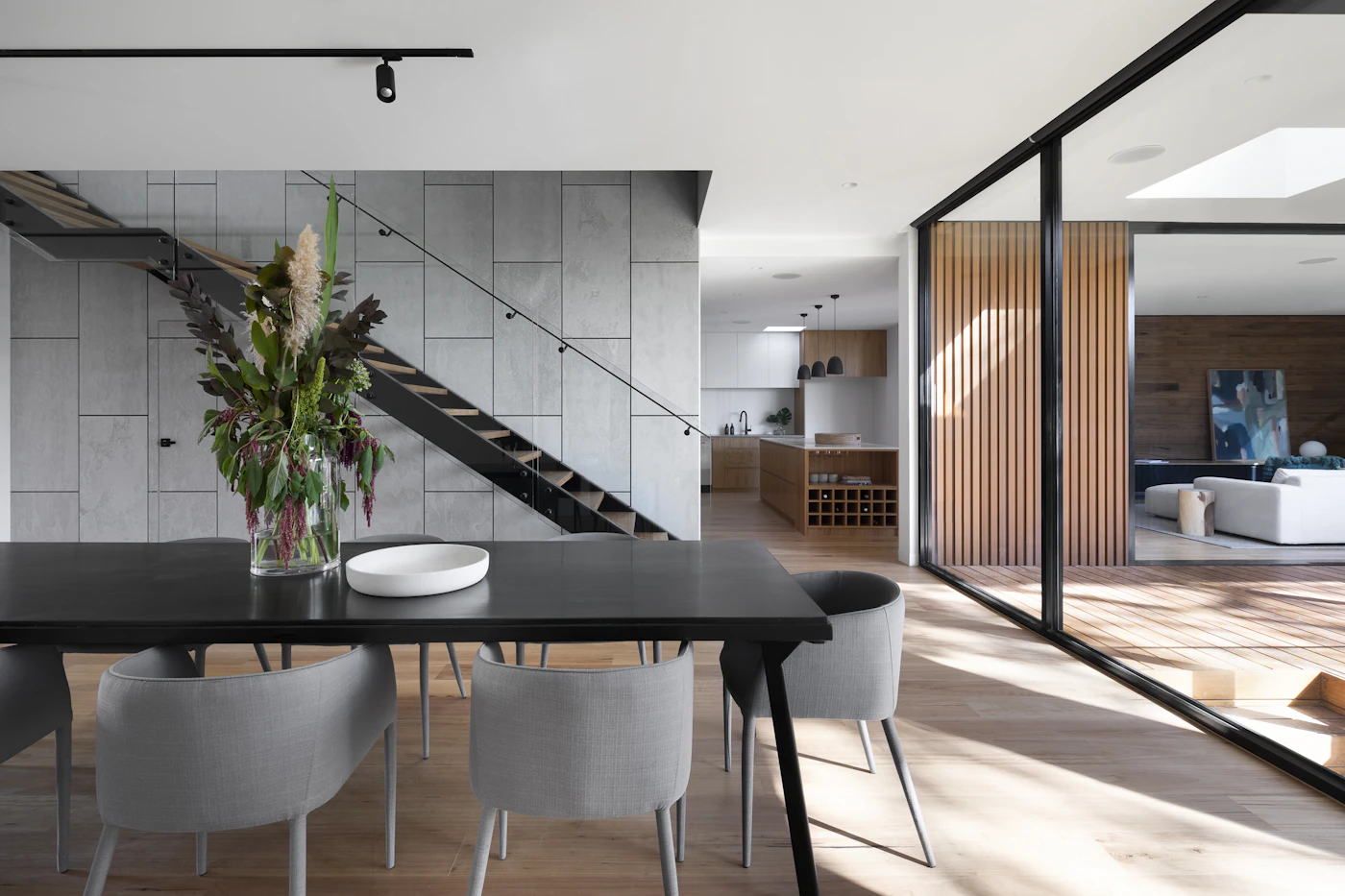
A shared table can support meals, reading and temporary work during the same day. Resetting it should restore a useful role without hiding unfinished actions. Moving everything into one attractive box may improve the photograph while losing the reason a receipt or note was kept. Begin with what the actual objects need next rather than a demand to empty the surface at any cost.
Choose the next real use
Name the activity the table must support now. An ordinary meal and a household project can require different arrangements. Keep relevant furniture guidance and the shared room route in view rather than assuming a styled open-plan scene describes your space.
Limit the review to the belongings that matter. Emptying nearby storage can create a larger unfinished job than the table problem. A modest reset is easier to complete and easier for other people to understand.
Return the straightforward items
Put familiar objects in their established suitable places where appropriate. A current book may return to its reading location, while an unrelated accessory belongs with its actual product group. Keep another person's belongings identifiable rather than absorbing them into your storage.
An object does not need to remain on the table simply because it paused there yesterday. Decide whether it genuinely supports the next activity. A convenient surface is not the same as an understood home for every item.
Preserve paperwork context
Read a paper before relocating it and name any real next action. An unexplained receipt can lose its purpose beneath a decorative object even while the room appears tidier. Keep the reference connected to the actual purchase or question.
Store private information appropriately and avoid copying unnecessary details into a visible note. A short plain phrase identifying the object and task can be enough. The aim is continuity rather than a public list of household errands.
Give uncertainty its own pause
An unfamiliar component or unresolved question should stay identifiable. Do not assign it to a nearby product because its colour matches, and do not hide it in a box where the uncertainty disappears. Preserve a genuine question while seeking appropriate clarification.
If another person helps, explain which objects are ready to return and which remain unresolved. An instruction to clear the table can conceal several statuses needing different actions. Clear scope can make the handover useful without an elaborate organising system.
Restore only what belongs
Bring back the objects that genuinely serve the next table role. A decoration can remain a personal preference without forcing every meal or task to begin with another large move. Keep seated access and ordinary household movement usable.
Review the arrangement when a real problem returns rather than repeatedly styling an unchanged collection. A practical reset can leave a pleasant room and a clear remaining action, allowing the table to serve everyday life without asking visible tidiness to prove that every task has been completed.
Related reading
A Small Breakfast Table with Enough Useful Surface, Ending Work at a Desk in a Shared Room.