
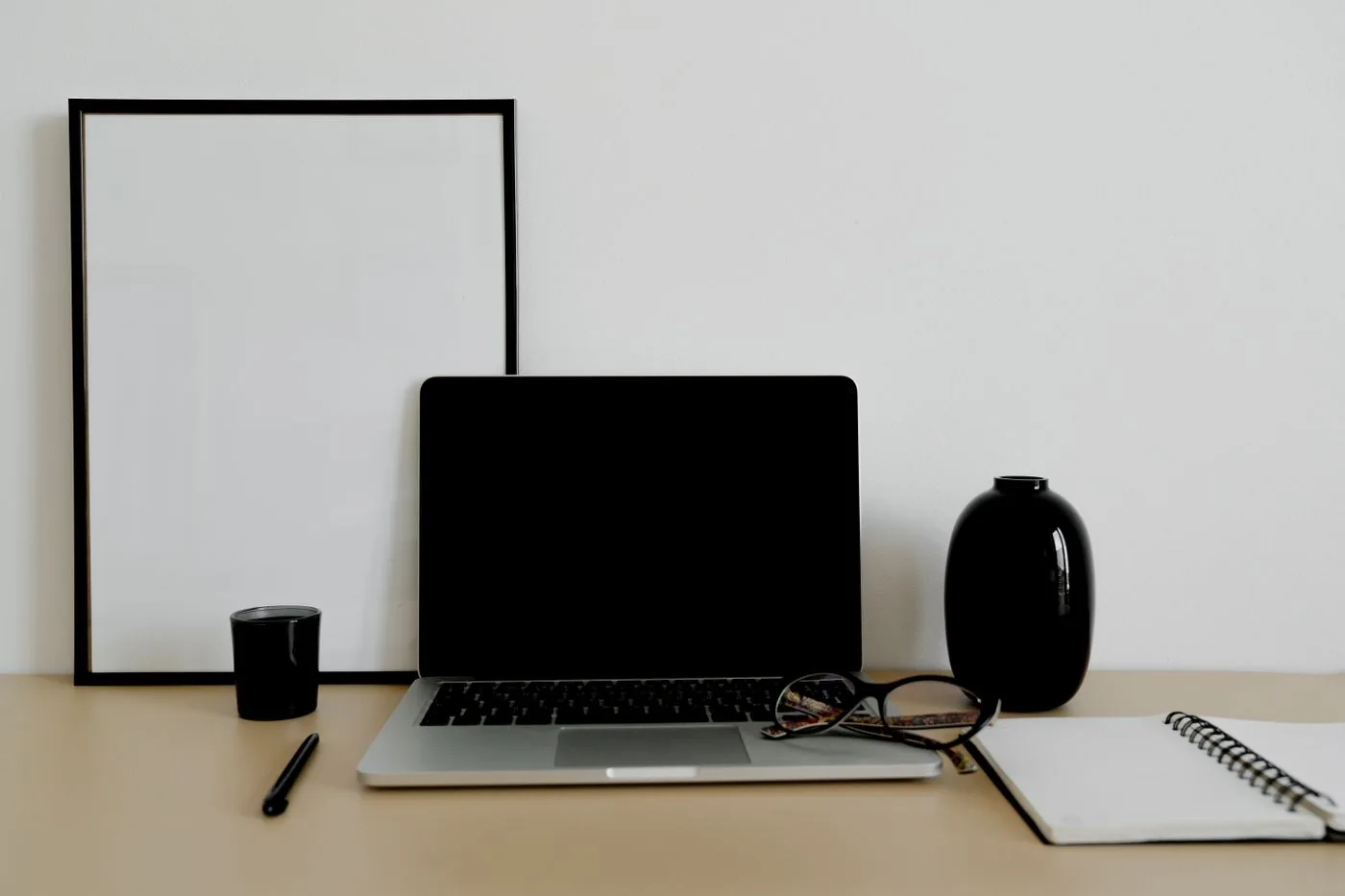
A desk in a shared room needs a clear stopping point as well as a place to work. Closing it does not mean finishing every task or hiding every device. It means leaving tomorrow understandable and the room usable now. Begin with the active materials and the equipment's requirements. A short routine can do more than another decorative organiser if the real issue is work spreading into every available evening surface.
Write one restart action
Record the next concrete step rather than the whole project list. This can reduce the need to keep every paper visible as a reminder. Manage information appropriately in the shared setting. A note should support the restart without exposing sensitive details. Choose a simple place or format that can be found the next morning rather than a new planning system that takes longer to maintain than the actual task.
Handle devices as instructed
Save work and manage shutdown, charging and storage according to relevant guidance. Keep ventilation clear and cables away from walking routes or strain. Do not cover equipment simply to make the desk look like something else. A decorative box is not automatically suitable for electrical items or objects needing particular conditions. Proper handling comes before the desired evening appearance.
Separate what remains active
Keep necessary documents or tools in a defined suitable location. Return unrelated cups, packaging and possessions elsewhere. A tray can serve a clear group but should not become a mixed archive. Avoid gathering cables, papers and small essentials into an unsearchable pile to clear the top quickly. The next working session should not begin by identifying everything hidden during the previous reset.
Clear the room's next function
If the surface serves another activity, identify and free the area needed. A stable device position may be more practical than total daily removal. Conversely, work should not occupy every part of a table others need. Agree a manageable arrangement where relevant. The routine should support real shared use rather than preserve one ideal office layout indefinitely.
Leave care access
Clean surfaces and equipment using suitable methods and instructions. Do not spray cleaners indiscriminately around devices. A crowded group of decorative containers can make maintenance harder than a simpler collection. Review each organiser's actual role before buying another matching piece. Keep the routine manageable at the frequency the desk is used, including reaching behind items appropriately when needed.
Does the desk need to look empty?
No. It needs a clear suitable pause. Unfinished work can remain identified without occupying the whole room. Review which step repeatedly delays closing and simplify it. The successful stopping point makes tomorrow easier and the present evening usable, keeping the desk a practical part of the home rather than a daily project of packing and reconstructing an office.
Related reading
A Private Home-Measurement Note for Shopping Trips, Gifts for Homebodies That Fit a Favourite Evening In.