
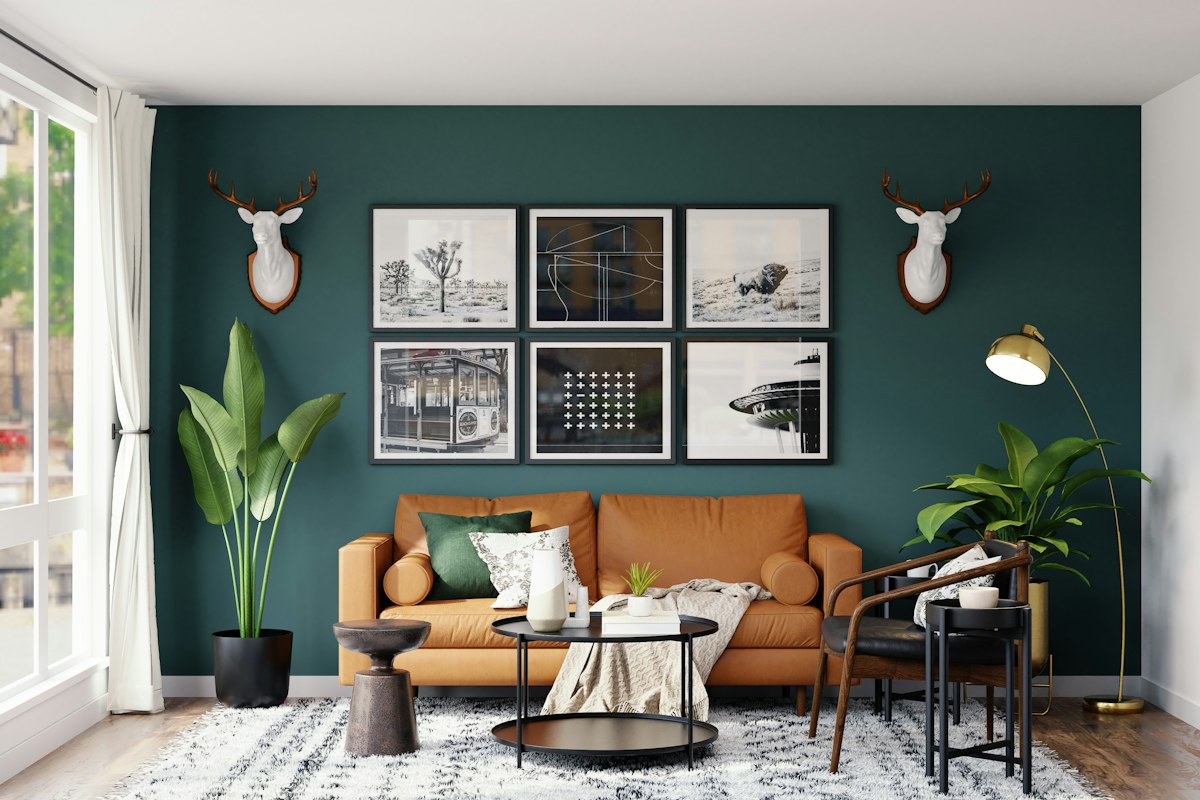
A sofa-side surface can begin with a current book and familiar everyday object, then acquire receipts, accessories and items that belong in other rooms. A new basket may hide the mixture without explaining its purpose. Start with a return route for the actual belongings. The useful arrangement lets the room support ordinary use while preventing a comfortable seat from becoming the permanent home of every paused task.
Review one small area
Choose the surface beside the seat you genuinely use. Keep the ordinary room route clear and handle products appropriately. There is no need to empty the whole living room before understanding the small group that causes confusion.
Separate items actually used while seated from things that simply arrived there. A current reading book has a different role from a receipt needing an action elsewhere. A tidy container should not make those statuses interchangeable.
Give familiar belongings understood places
Return ordinary objects to suitable established locations where appropriate. Keep another person's belongings identifiable instead of quietly absorbing them into your group. A shared surface can support several people without assuming every item belongs to whoever tidies it.
Avoid buying a container solely because the area looks empty after sorting. First observe whether the existing return places remain understandable during actual use. A basket should support a role rather than create a reason to keep unrelated belongings nearby.
Preserve unfinished context
Read papers before relocating them and name any genuine next action. An unexplained note under a book can lose meaning while the room looks calmer. Keep the task linked to the actual object in an understood appropriate place.
An unfamiliar component deserves its own question rather than a guessed match with something nearby. Colour coordination and physical proximity do not establish product identity. Preserve uncertainty while seeking appropriate clarification instead of hiding it in a decorative box.
Review ordinary retrieval
Sit in the usual place and consider how the belongings are actually used. Notice whether retrieval requires moving several unrelated objects or whether the return location is inconvenient. These observations can guide a modest adjustment more clearly than a styled room photograph.
Keep product roles and relevant guidance in view. A decorative stand should not become an improvised support merely because it appears to have room. Existing furniture can remain visually simple while serving a clear practical purpose.
Restore only the current group
Bring back objects that genuinely serve the sofa-side role and give other tasks their own next places. An item does not need to return because it occupied the surface yesterday. Keep the arrangement small enough that its purpose remains understandable.
Review the routine when real confusion reappears rather than repeatedly styling an unchanged collection. A clear current-use group makes existing furniture easier to live with while preserving ownership and unfinished work, without requiring another basket to disguise the same unresolved pile.
Related reading
A Side Table with Reachable Everyday Space, A Warm, Collected Living Room Without Starting Again.