
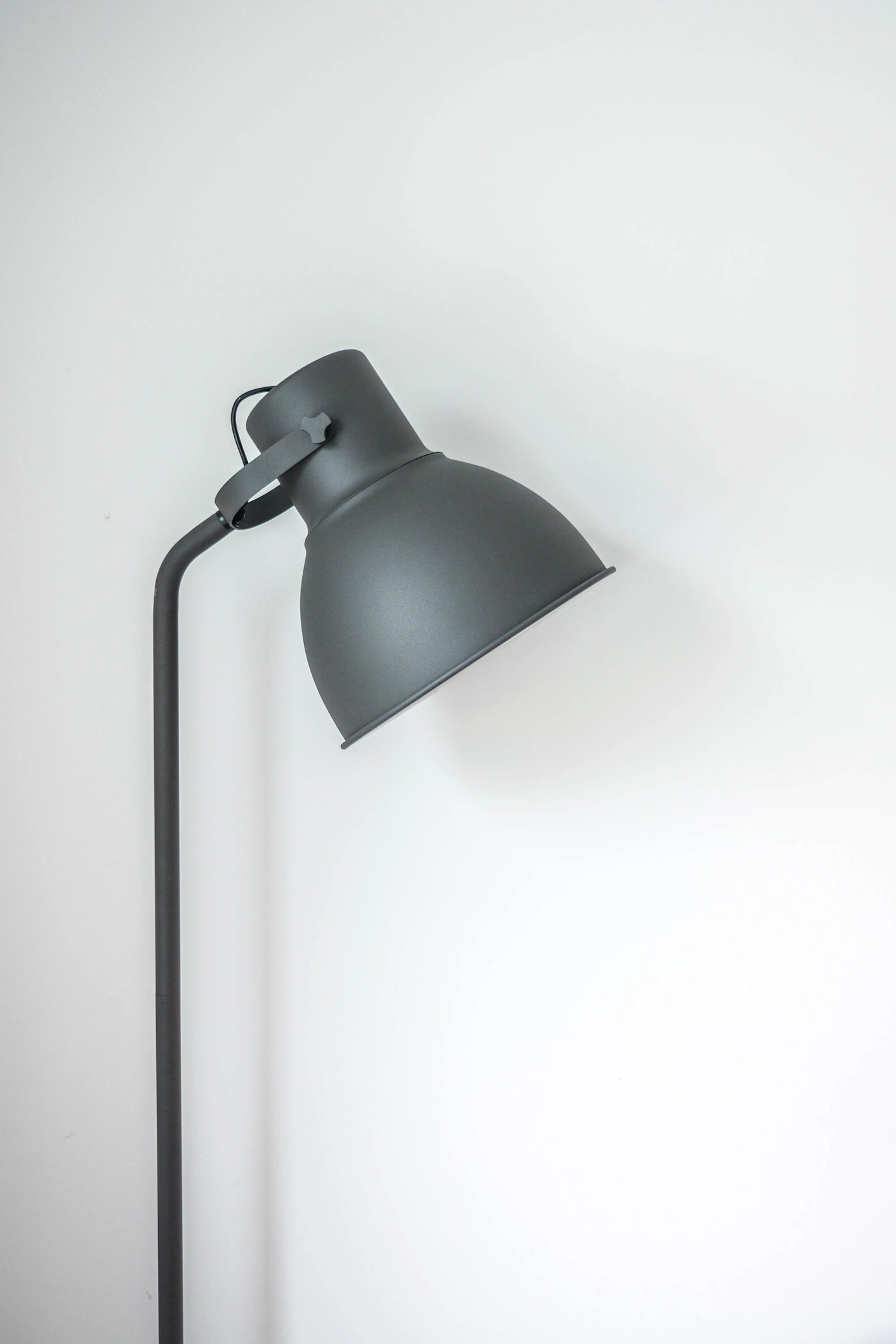
A desk lamp photographed against a pale wall can look like a simple addition with little to consider beyond shape. The actual workspace contains books, devices and the task of closing work at the end of the day. Review the product beside those real uses before choosing it. A useful comparison keeps appearance connected to actual information without asking a close image to explain everything hidden outside the frame.
Define the desk role
Name the tasks the lamp would support and the furniture already present. Keep a current need separate from the attraction of another object. An existing suitable arrangement may already answer the role, or the review may reveal a specific practical question.
Read relevant desk and lamp guidance rather than assigning features from appearance. An adjustable-looking silhouette does not establish every supported movement or use condition. Preserve an unfamiliar point for appropriate clarification.
Keep dimensions with identity
Record the exact model and relevant variant beside the supplied measurements. A gallery can contain similar versions, while a close crop makes scale difficult to assess. Do not infer dimensions from an unrelated object or combine information from several products.
Retain units and the explanation of what is measured. A number without context can appear more useful than it is. Compare only what the actual information supports rather than filling missing details from a familiar lamp at home.
Review the occupied surface
Include objects that genuinely serve the desk instead of imagining it permanently empty. Keep relevant furniture guidance and ordinary access clear. A new object should have a role within that arrangement rather than fit only after unrelated belongings are hidden elsewhere.
Consider how the workspace changes between tasks. A book or device may return to another place while the lamp remains. The addition should stay understandable during the reset instead of making every change of use more complicated.
Read adjustment separately
Use the actual product description and instructions for intended adjustment. Do not force a joint or invent a configuration to reproduce another photograph. A specific question about a feature is more informative than a general request for versatility.
Keep decorative preference distinct from practical suitability. You can enjoy a silhouette while deciding another understood option serves the desk more clearly. The image does not have to answer every question to remain appealing.
Preserve a clear decision record
Keep the lamp model, its stated dimensions and your desk measurement in the same note. If a supplier clarifies an adjustment or placement question, attach that answer to the same model rather than a general inspiration folder. Before deciding, return to the occupied desk and check whether the comparison still describes the surface you will actually use.
A workspace-led lamp review gives actual furniture and ordinary tasks a voice before another product joins the surface. It lets a styled image inform preference without turning its clean background into an unsupported promise of practical fit in another home.
Related reading
Ending Work at a Desk in a Shared Room, A Private Home-Measurement Note for Shopping Trips.