
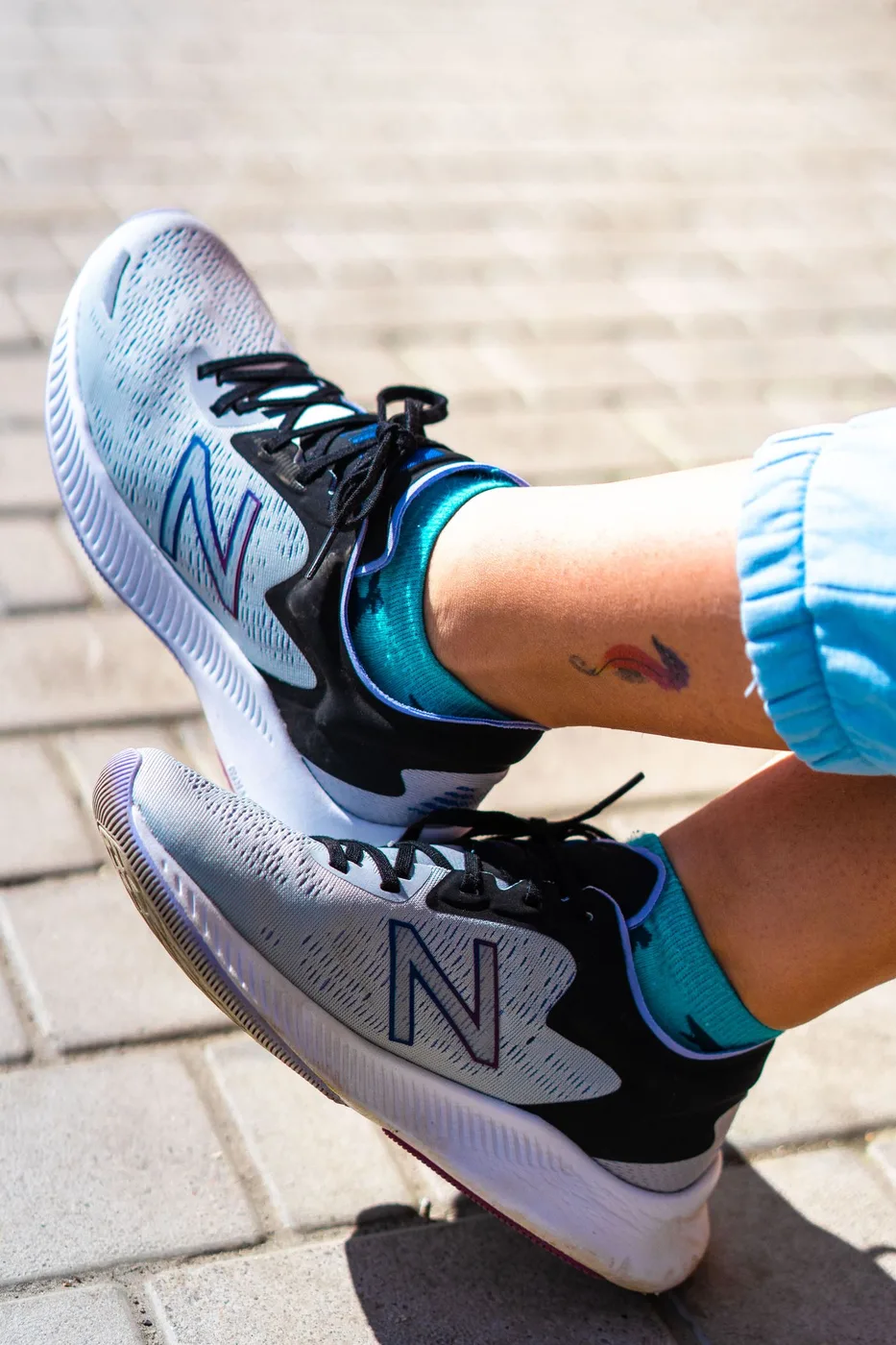
A shoe-choosing invitation can be more practical than selecting a pair through guesswork, provided the offer is clear and genuinely manageable. Explain what you are offering without promising a perfect result. The recipient should be free to make the fitting decision and to decline the activity if it is not useful to them.
State the actual offer
Describe the modest activity in plain language, such as an agreed shopping visit together. Keep its scope realistic for what you can arrange. Do not present a vague future promise as though a particular purchase or appointment has already been completed.
Make any important practical limit clear privately and respectfully before the recipient is expected to choose. Avoid setting up an awkward decision at a counter because the offer's scope was never discussed. Clarity supports the gesture without turning the present into a formal negotiation.
Leave timing to agreement
Offer possible arrangements without assigning the recipient a date they have not accepted. A flexible invitation is not the same as an indefinite promise; identify how the next step will be agreed. Keep other commitments and ordinary life in view.
Check any appointment or seller information directly when a specific visit is being arranged. Do not assume a service is available merely because it appeared in an older description. Keep the actual booking process separate from the initial gift message.
Keep fitting with the wearer
Let the recipient decide what the footwear needs to support. Their comfort, intended activity and the maker's relevant guidance govern the choice. Do not treat your preferred style as the gift's hidden condition.
Use the actual seller's appropriate fitting process and current conditions. A brief trial cannot establish every future wearing result. Avoid promising that one shape, size or brand will certainly work because it has been useful for somebody else.
Allow the visit to end without buying
Agree that a suitable outcome can be clearer information rather than an immediate purchase. If the available pairs do not meet the actual need, leave the decision open. Buying an unrelated substitute merely to complete the gift can undermine the practical purpose of the invitation.
Keep the social activity enjoyable without making the recipient prove gratitude through a particular choice. They may prefer another shop or another time. An offered shared visit should support their judgement rather than replace it.
Complete the agreed next step
If a purchase is made, retain relevant care and order information through the actual process. If the plan changes, discuss a realistic alternative rather than leaving the offer unresolved indefinitely. A short private reminder can preserve the commitment without repeated pressure.
A useful shoe-choosing gift gives the recipient both an understood offer and room to decide. It avoids the uncertainty of a guessed pair while keeping the gesture manageable. The value lies in a clear practical invitation, not a guarantee that one shopping trip must produce the perfect footwear.
Related reading
Making a Personal Experience Voucher You Can Actually Honour, How to Choose Comfortable Shoes for Your Everyday Walks.