
A copied recipe note can look clearer than the source while quietly losing the units that made its numbers meaningful. Keep the reference complete before preparation begins. The useful record connects each ingredient with its quantity, form and surrounding instruction, rather than presenting an isolated figure that must be reconstructed when the kitchen is already occupied. A short check at the copying stage can prevent several uncertain decisions later.
Identify the recipe version
Keep the title and legitimate source with the working note. Similar recipes can share an appealing photograph while using different quantities or equipment. The note should point to the actual version intended for this preparation.
Read ingredients beside the method before simplifying the text. A reference elsewhere in the instructions may explain what a quantity describes. Do not let the most convenient page crop become the only information available once the original source has been closed.
Preserve the unit with the number
Copy the ingredient name, stated amount and unit together. A number alone is not a complete instruction. Keep wording that identifies whether the quantity describes the item as bought or another stated preparation form.
Do not combine counted items, weights and volumes merely because their names sound related. A tidy combined line can conceal an unsupported conversion. If a different unit is genuinely needed, treat that as a separate question for an appropriate reliable reference rather than an automatic rewriting step.
Mark personal changes separately
A household preference or proposed adjustment should remain distinct from the original method. Label the change instead of silently replacing the source's wording and later describing the result as the unchanged recipe.
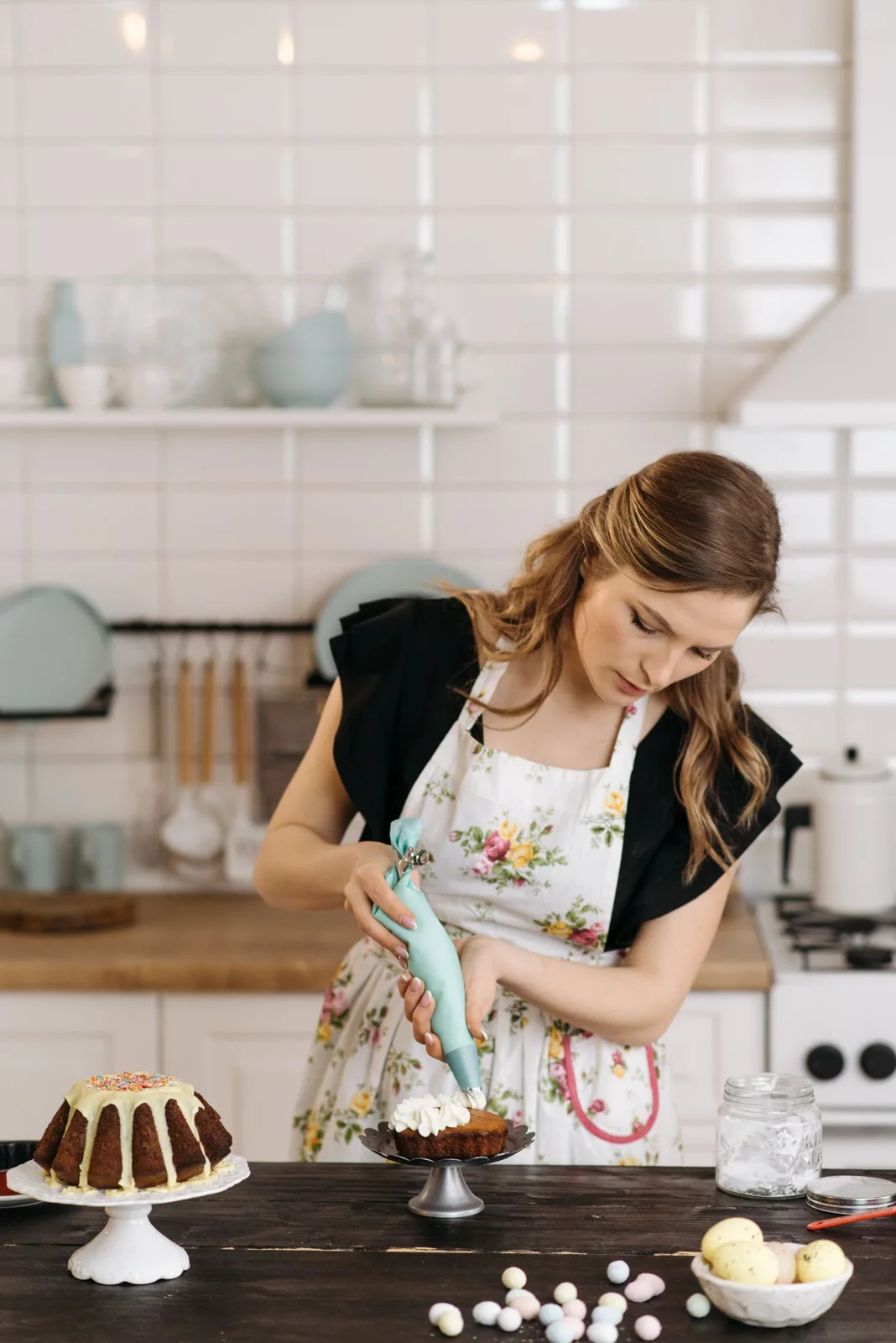
Keep any relevant product or equipment requirements available for the actual preparation. A cake-decorating photograph illustrates a kitchen task, not the complete instructions or suitability of another recipe. The image can remain inspiration while the source supplies its stated method.
Read the copy back before use
Compare the working note with the original in order, looking for missing units, repeated lines or an omitted ingredient description. This is a practical check of the record, not a promise that every other preparation question has been resolved.
If something remains unclear, preserve that question before beginning. A familiar shorthand should not be expected to answer a detail it never recorded. Waiting for an understood reference can be the sensible outcome rather than improvising to keep the page looking complete.
After the session, keep only the version with a clear purpose. A useful personal observation can remain beside the source, while obsolete scraps are removed from the active routine. The working note then helps the next preparation begin from known information, leaving the recipe connected to its actual quantities instead of an attractive but ambiguous collection of numbers.
Related reading
Everyday Kitchen Essentials for a More Useful Worktop, Pantry Jars with Product Information Kept Clear.