
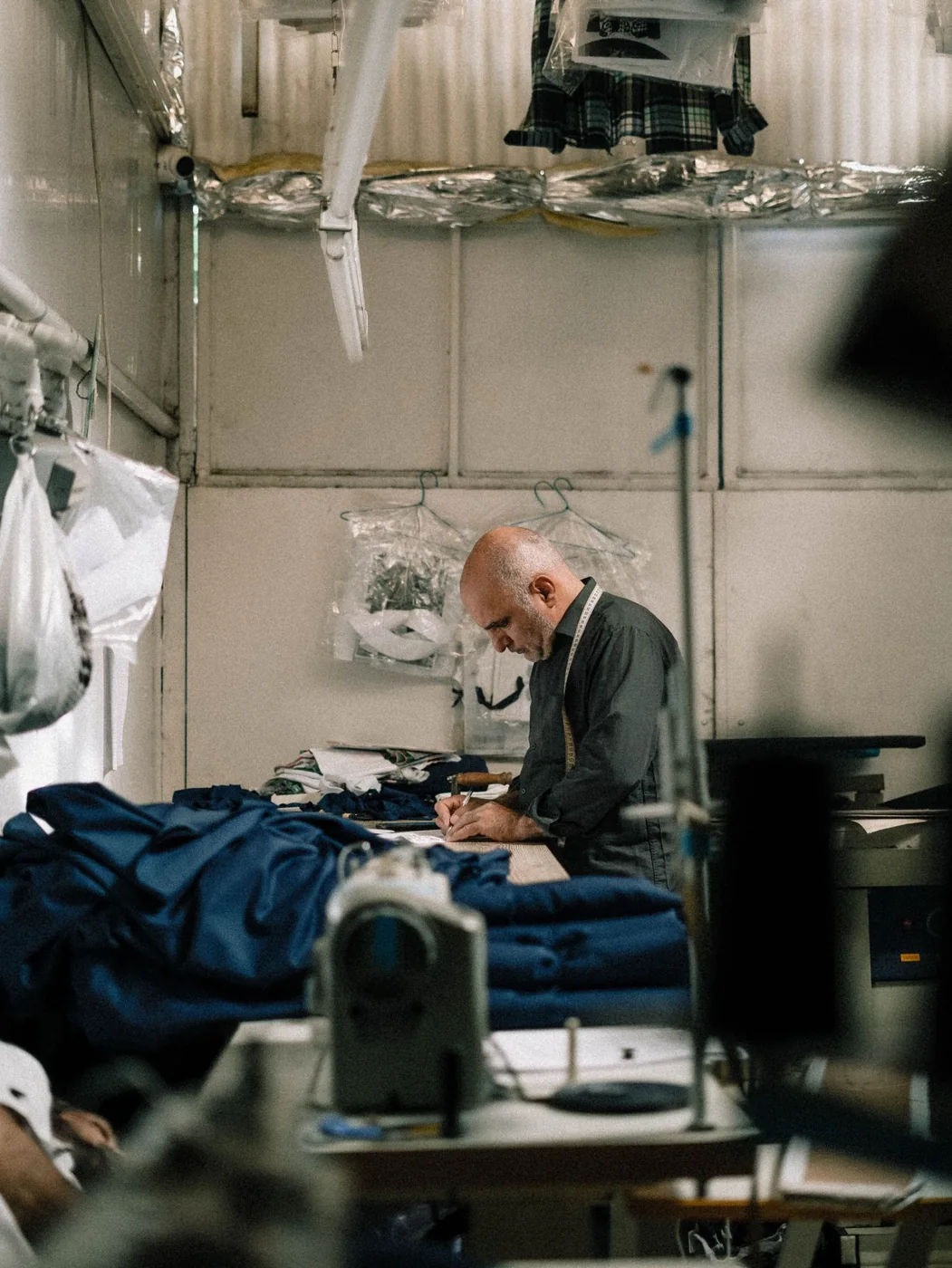
A household textile can remain useful after a small fault appears, but inspect the surrounding fabric before deciding a repair is straightforward. A loose seam and a tear in weakened cloth are different problems. Start with the role the item still has and the care it needs. The aim is to keep a suitable piece in service, not commit to repeated work on something no longer sound for ordinary use.
Identify the exact fault
Lay the clean dry item on a suitable surface and inspect seams, closures and the area around damage gently. Avoid pulling a tear wider to understand it. Note whether the fault follows normal wear, a specific accident or repeated strain. A cover that is too tight for its insert may need a different fit decision as well as stitching.
Check the material information
Read any existing care label and consider trim, lining or coatings separately from the main cloth. If the textile is unlabelled, delicate or significant, seek appropriate specialist advice before cleaning or altering it. Do not identify fibre solely by appearance and choose an aggressive treatment on that assumption. Maintenance needs are part of the repair decision.
Ask what the work changes
A competent repair provider can explain whether a local seam repair, patch, replacement zip or another approach is suitable. Discuss the visible result and whether a matching material is available. A visible repair can be a deliberate choice, but it should be agreed rather than discovered afterwards. Request a clear estimate and timing before authorising work.
Compare cost with future use
Consider whether the item fits current furniture or table dimensions and is genuinely used. A sound favourite may deserve work even when the original purchase was modest. An unused piece with several faults may not become useful through another repair. Include cleaning and any separate adjustment in the total rather than assessing only the most visible damaged point.
If repairing at home
Use an appropriate known method, practise on spare suitable material where possible and store sharp tools safely. Do not improvise on fragile cloth simply because the job looks small. The repaired area should suit the item's care and use, not create a hard or weak point that fails again. Seek competent help when the task exceeds a straightforward familiar repair.
What should happen after the repair?
Inspect gently, follow the provider's care guidance and test normal use without overloading or straining the area. Keep a short note about any changed maintenance needs. Store clean dry textiles appropriately and reassess the underlying cause if the same fault returns. A useful repair preserves a practical household role, with an honest understanding of condition rather than an obligation to keep every fabric item indefinitely.
Related reading
Continue with An Autumn Home Refresh Using What You Already Own and Small Bedroom Upgrades That Make Daily Life Easier. These existing guides provide a broader starting point for the related wardrobe, home or planning decision.