
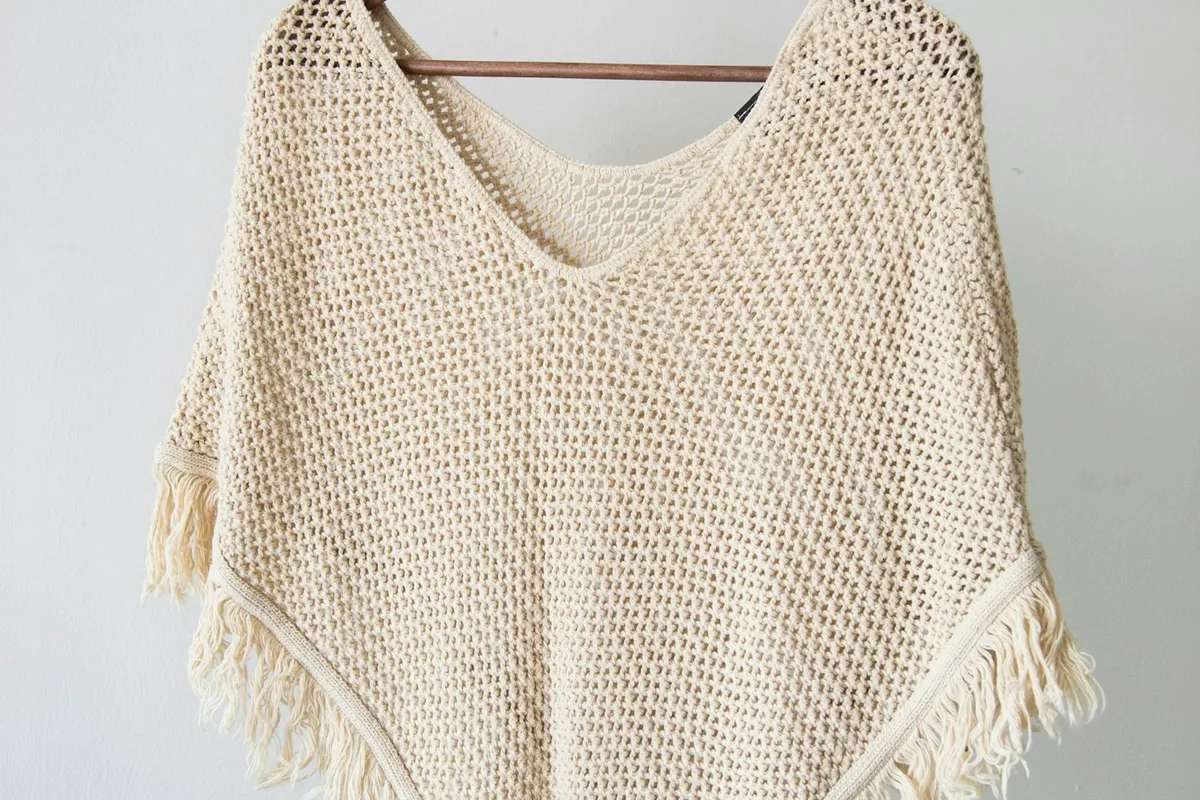
A clothing-care gift can seem useful because someone enjoys their wardrobe. That interest does not establish which product or tool would suit the garments they own. Begin with a genuine request or an understood routine before choosing a kit. A thoughtful present should support the person's actual clothes rather than arrive as a treatment plan inferred from a pale knitted garment in a photograph.
Ask about the real routine
Keep an expressed preference separate from a broad impression that the recipient likes knitwear or older clothing. A modest clarification can reveal a particular requested item, a different gift idea or no need for another care product at all.
Do not describe that conversation as spoiling the gesture. A specific understood use can make a practical gift more personal than a surprise built on guesses about material, storage or household habits.
Read the exact offered set
Identify the product and what is genuinely included. A decorative box or nearby accessory may be separate styling. Keep different versions clear rather than collecting the most appealing feature from each photograph into an imagined complete kit.
Read the supplied intended-use and compatibility information. A familiar-looking component does not establish suitability for a particular garment. Preserve an important missing detail as a question rather than completing it from another product's instructions.
Let the actual clothes lead
The recipient's wardrobe can include different materials and guidance even when the pieces look coordinated. A knitted appearance or pale colour does not make them one interchangeable care group. Keep the information belonging to each actual garment central.
Seek appropriate clarification where a practical compatibility question matters. A broad promise of usefulness cannot answer a specific product concern. Retain a relevant answer with its scope instead of applying it to every similar-looking piece.
Review the burden as well as the benefit
An unclear kit can create another storage or decision task. Ask whether the present supports an existing understood routine or requires the recipient to start a new project. Attractive packaging does not resolve that distinction.
Keep matching additions optional. The person may already own suitable accessories and prefer a simpler arrangement. A useful gift does not need to reproduce every object shown in the campaign to have a legitimate role.
Make the handover clear
Pass on relevant supplied information and explain what is actually included. Avoid inventing a clothing-care process to make the present seem complete. The recipient retains the choice of how the item fits appropriately into their own belongings.
Read current seller information where it affects the actual purchase and keep useful details through the appropriate gift process. A defined role lets a care-themed gift be considerate without turning the styling of a product image into unsupported instructions for an entire wardrobe.
Related reading
Borrow a Work Shirt with the Care and Return Agreed, Returning Clean Laundry to the Storage It Needs.